
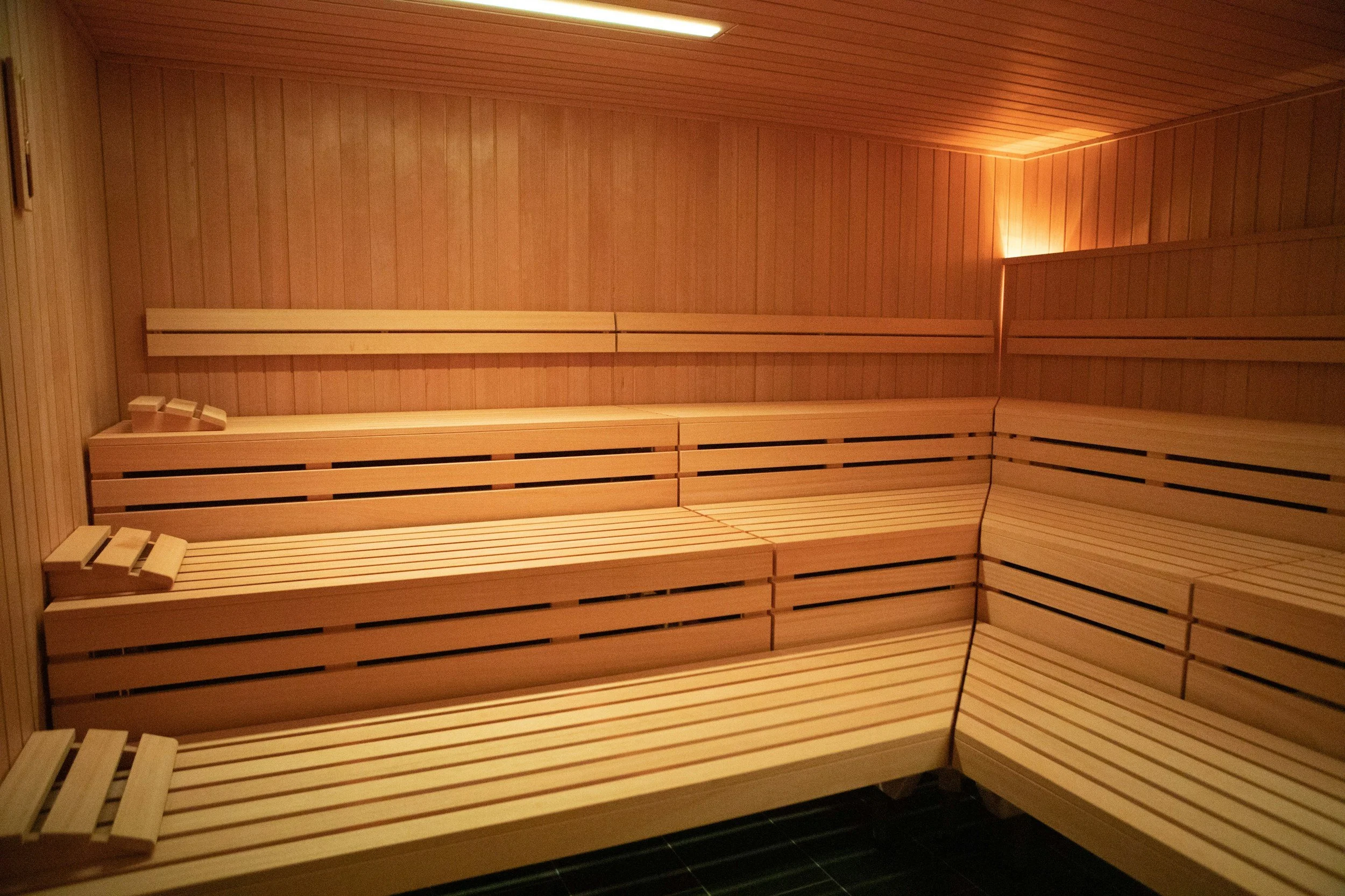
Full Spectrum Infrared Sauna
IN ANN ARBOR, MI
Enjoy a comfortable sauna experience with multiple benefits and none of the misery.
Saunas have a bit of a reputation problem. Mention you're heading to a sauna session, and most people picture a scorching cedar box packed with strangers in towels, pouring sweat and struggling to breathe.
The infrared sauna is a completely different experience and completely different science.
Unlike traditional saunas that heat the air to extreme temperatures, the infrared sauna uses invisible light waves to warm your body from the inside out. The ambient air stays cooler and easier to breathe, the heat goes deeper, and the biological response is remarkably powerful.
At Ann Arbor Holistic Health, we use the Sunlighten mPulse Aspire, a professional-grade full-spectrum infrared sauna delivering near, mid, and far infrared in a single session. Relax in privacy, as the sauna supports enhanced detoxification, soothes sore muscles, and helps reset your nervous system. If you thought saunas were for once-a-year spa days, the infrared sauna will change your mind.

How Does the Infrared Sauna Work?
Heat Your Body, Not Just the Air
Think about the difference between standing in a very hot room and standing in the sunshine on a cool day.
A hot room eventually forces your core temperature up through brute force – the air just gets hotter and hotter until you do too. Sunlight works differently: the light waves travel right through the cool air and are absorbed directly by your skin and tissues, generating warmth from within. You can feel it working before the air temperature around you changes at all.
Infrared saunas operate on that second principle. Infrared light is invisible to the eye but deeply absorbed by the body. Our sauna operates between 30 and 80 degrees cooler than a traditional sauna because the infrared wavelengths are doing the real work before the air temperature ever becomes a factor.
What happens inside your body as a result is a finely orchestrated, beneficial stress response:
1) Your core temperature rises.
2) Your heart rate climbs, mimicking the effect of a moderate cardio workout.
3) Blood vessels dilate, and you begin to sweat as your metabolism is genuinely engaged.
4) Your body releases heat shock proteins: a built-in cellular repair crew activated by heat that supports recovery and cellular maintenance.
That's a lot of movement for sitting still! And it explains why one 30-minute infrared sauna session burns between 300-600 calories, while offering a host of benefits for every system of the body.


Benefits of Infrared Sauna Therapy
How Can Full-Spectrum Infrared Help?
Because infrared sauna affects the whole body in multiple ways all at once, its benefits are wide-ranging. It’s not often that a single therapy can impact circulation, metabolism, and overall cellular health at the same time.
The science behind infrared saunas is strong. Here are the most well-documented benefits:
Cardiovascular Health
Every sauna session raises your heart rate and dilates blood vessels the way a moderate workout would – without the workout. Research consistently links regular sauna use to improved blood pressure and cardiovascular markers, making it especially meaningful for those who can't exercise intensively due to pain, injury, or fatigue.
Detoxification Support
Sweating is one of the body's primary routes for eliminating what doesn't belong. Infrared sauna sessions support detoxification pathways that take the load off of your kidneys and liver.
Pain Relief & Recovery
Deep tissue warming, improved circulation, and a surge of the body's own cellular repair proteins are a trifecta of support for easing chronic pain and stubborn soreness. Clinical studies show particular promise for fibromyalgia and lower back pain.
Stress Relief & Relaxation
Sustained, whole-body warmth is one of the fastest ways to shift your nervous system out of "fight or flight" mode. Many clients notice the endorphin release and stress hormone shifts that come with the sauna before they've even finished their session.
Skin Health
Saunas provide the kind of glow that skincare companies dream of! Near-infrared light supports collagen production and cellular renewal from within, which can contribute to clearer, firmer, and more radiant skin with consistent use.
Sleep
The drop in core temperature that follows a sauna session mimics the same shifts your body makes naturally as you fall asleep, cueing deeper rest. For clients whose sleep is disrupted by stress, pain, or hormonal changes, this is often the benefit they notice first. (And it’s one that every client appreciates!)
Is the Infrared Sauna Right for Me?
Infrared sauna therapy is well-tolerated by most healthy adults, and far more accessible for clients who find high heat or steam uncomfortable. Sessions are passive, private, and require nothing more demanding than thirty minutes of rest.
Infrared sauna tends to be especially well-suited for:
Chronic pain, stiffness, or inflammation
Post-exercise recovery or injury rehab support
Cardiovascular wellness, especially for those with limited exercise capacity
Fatigue or low energy related to inflammation
Stress, tension, or a nervous system that struggles to downshift
Skin health goals including improved tone, clarity, and signs of aging
Sleep disruption related to stress, pain, or hormonal changes
Detoxification support, as part of a broader wellness protocol
Are there any contraindications?
Infrared sauna is not recommended during pregnancy. We also advise caution for anyone with unstable cardiovascular conditions, recent cardiac events, diabetes, or severe kidney disease. We recommend consulting with your doctor before your first session if any of those apply.
Some medications, including certain diuretics, blood pressure medications, and anticoagulants, can affect how your body handles heat, so if you're managing a complex health picture, a quick conversation with your prescribing provider before your first session is a good idea. As always, if your doctor has advised against heat exposure, please follow their guidance.
Not sure if the sauna is the right first step? A free consultation with one of our practitioners is a good place to figure that out.


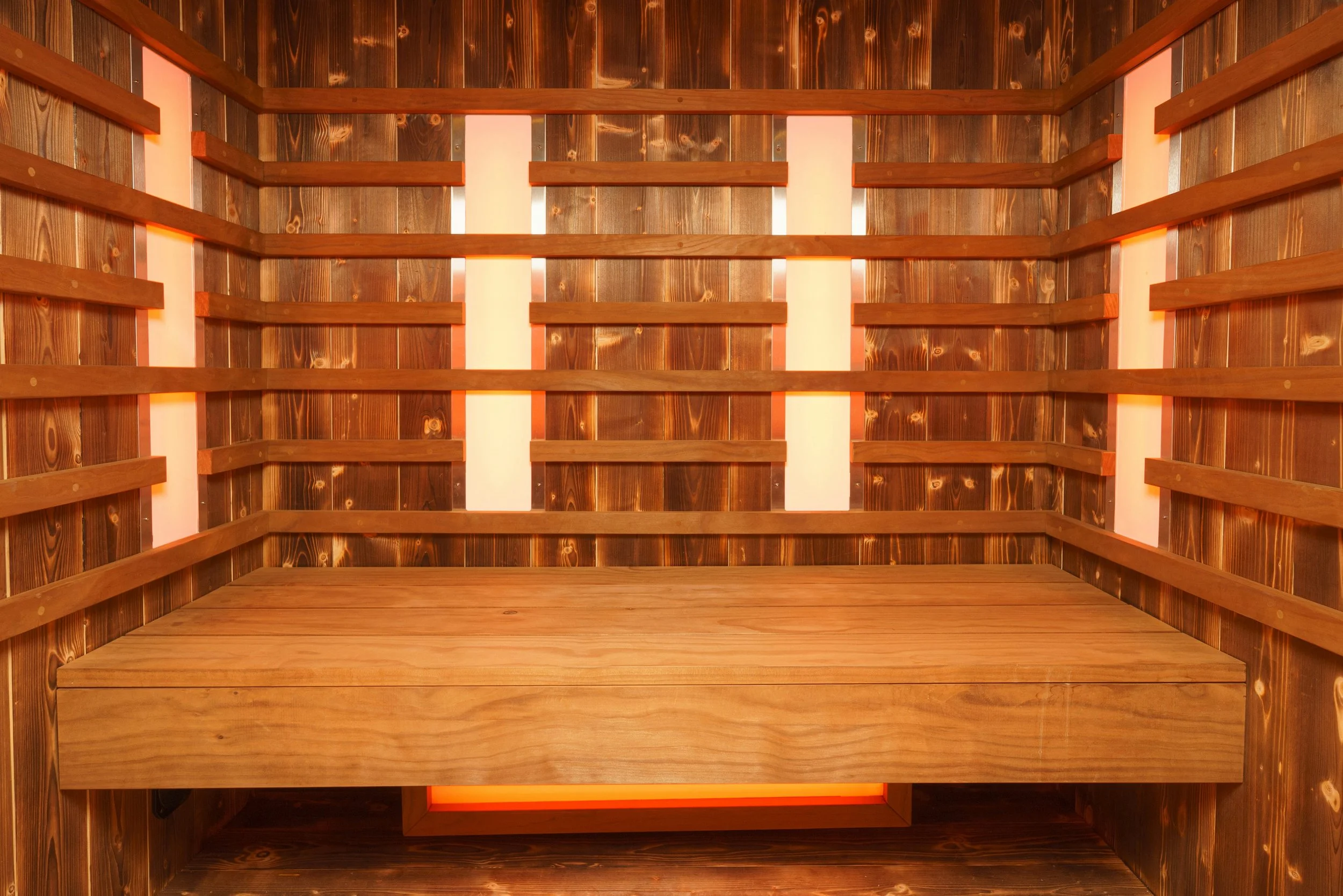

Infrared Sauna at Ann Arbor Holistic Health
The Sunlighten mPulse Aspire
Not all infrared saunas are built the same, and our sauna, the Sunlighten mPulse Aspire, is in its own category. As wellness geeks, we’re in love with the research and care Sunlighten has invested in creating a premiere full spectrum infrared sauna that includes red light therapy.
So what does it mean for an infrared sauna to be full spectrum? There are three types of infrared light, and they each serve your body in different ways:

-
Near Infrared (NIR) is very shallow light that only penetrates the top layers of your skin. (Its what most of those red light masks you see on social media are using.) NIR specializes in supporting skin health and repairing wounds and signs of aging. Like all infrared light, it helps boost the amount of energy your cells make, but NIR is focused on collagen and skin.
-
Mid Infrared (MIR) goes a bit deeper into soft tissue, especially your muscles. It improves blood flow to help loosen tightness and relieve soreness and stiffness. If you’re sore after a workout or because of illness-related inflammation, MIR is your best friend.
-
Far Infrared (FIR) has the deepest penetration, all the way to your joints and tissues. These are the wavelengths responsible for detox. By raising your core temperature, FIR supports your circulation and metabolism, and it’s also intensely relaxing.
These three spectrums of infrared light work together to offer a host of whole-body benefits, all from one sauna session.
A few bonus nerdy details: The infrared sauna at Ann Arbor Holistic Health was built on Sunlighten's patented SoloCarbon® 3-in-1 heating system, a triple-layer ceramic coating with the same kind of heat shielding film that NASA uses. That system delivers light and heat with 95–99% efficiency across all three types of infrared. (The industry average sits around 86%, which means a meaningful portion of the heat other saunas generates never actually reaches your body.)
The mPulse Aspire's EMF output is also independently verified at ≤0.5 milligauss at seated distance – well below standard precautionary guidelines.
Infrared sauna sessions last 30 minutes in a private cabin that fits 1-2 people. Wear minimal clothing or a towel to maximize contact with the panels. Bring water to sip during the session, and plan to rehydrate with electrolytes afterward – you'll earn it.
Most clients find the first ten minutes pleasantly warming, with more noticeable sweating building through the second half. Don’t worry: We’ll provide the opportunity to shower and replenish after your sauna.

Red light therapy and the infrared sauna:
what's the overlap?
You may notice that near infrared shows up in the service descriptions for both the infrared sauna and red light therapy. In fact, the Sunlighten sauna offers both at the same time!
Both services include NIR wavelengths, but the applications are different. The sauna delivers NIR as part of a full-body, thermally-driven session where far and mid infrared do the heavy lifting.
Dedicated red light panels deliver higher concentrated light at close range for targeted, non-thermal cellular work most effective for skin rejuvenation, localized pain, and specific tissue repair. The two pair naturally to maximize potential benefits.

Ready for Unwind?
Infrared Sauna in Ann Arbor, MI

Heat heals – we've known that for millennia. What the Sunlighten mPulse Aspire adds is precision: three specific wavelengths engineered to work at different depths, on different systems, all in one thirty-minute session backed by a growing clinical evidence base.
Whether you're here to calm sore muscles or a racing nervous system, we'd love to see what infrared sauna does for you.
Questions? Our team of experienced functional nutrition practitioners are always happy to explain how to incorporate the infrared sauna into your overall wellness routine.
Infrared Sauna FAQs
Answers to Common Questions About Infrared Sauna Therapy
-
One to two sessions a week is a solid starting point for general wellness and recovery. If you're working toward a specific goal, such as detoxification, pain management, or cardiovascular support, a structured protocol over several weeks tends to produce more meaningful results. Your AAHH practitioner can help you find the right rhythm.
-
As little as you're comfortable with – the goal is to maximize direct contact between your skin and the infrared panels. A swimsuit, light workout clothes, or just a towel all work. You'll have complete privacy in the single-person cabin.
-
Hydrate well beforehand, with at least 16 oz of water in the hour before your session. Avoid heavy meals in the 30–60 minutes prior. Bring a water bottle to sip during, and plan to replenish electrolytes after. A shower when you're done is optional but feels excellent.
-
Infrared saunas run 30–80°F cooler than traditional steam saunas, so many clients who have never been able to tolerate a conventional sauna do beautifully with infrared from the start. Starting at a lower temperature and shorter session length is always an option, and there's no pressure to push intensity before you're ready.
-
Infrared sauna is primarily a heat-based, whole-body therapy: it raises your core temperature, triggers sweating, and produces systemic cardiovascular and detoxification responses. Red light therapy uses targeted, specific light wavelengths to support cellular energy, skin health, and localized tissue repair at the mitochondrial level without relying on heat.
These two therapies are about different mechanisms with different goals, and many clients use both regularly for complementary benefits.
-
Sleep and stress relief are usually the first things clients mention, sometimes after just a couple of sessions. Help with muscle soreness and recovery are next. For longer-term goals like skin health or pain management, a consistent series of sessions over several weeks tells the real story. Think of each session less as a therapy and more as a deposit – the balance builds over time.
The information on this page is informed by published research, including guidelines from the American College of Physicians, the National Institutes of Health (NCCIH), and peer-reviewed studies indexed in PubMed. We review our content regularly to reflect current evidence.