
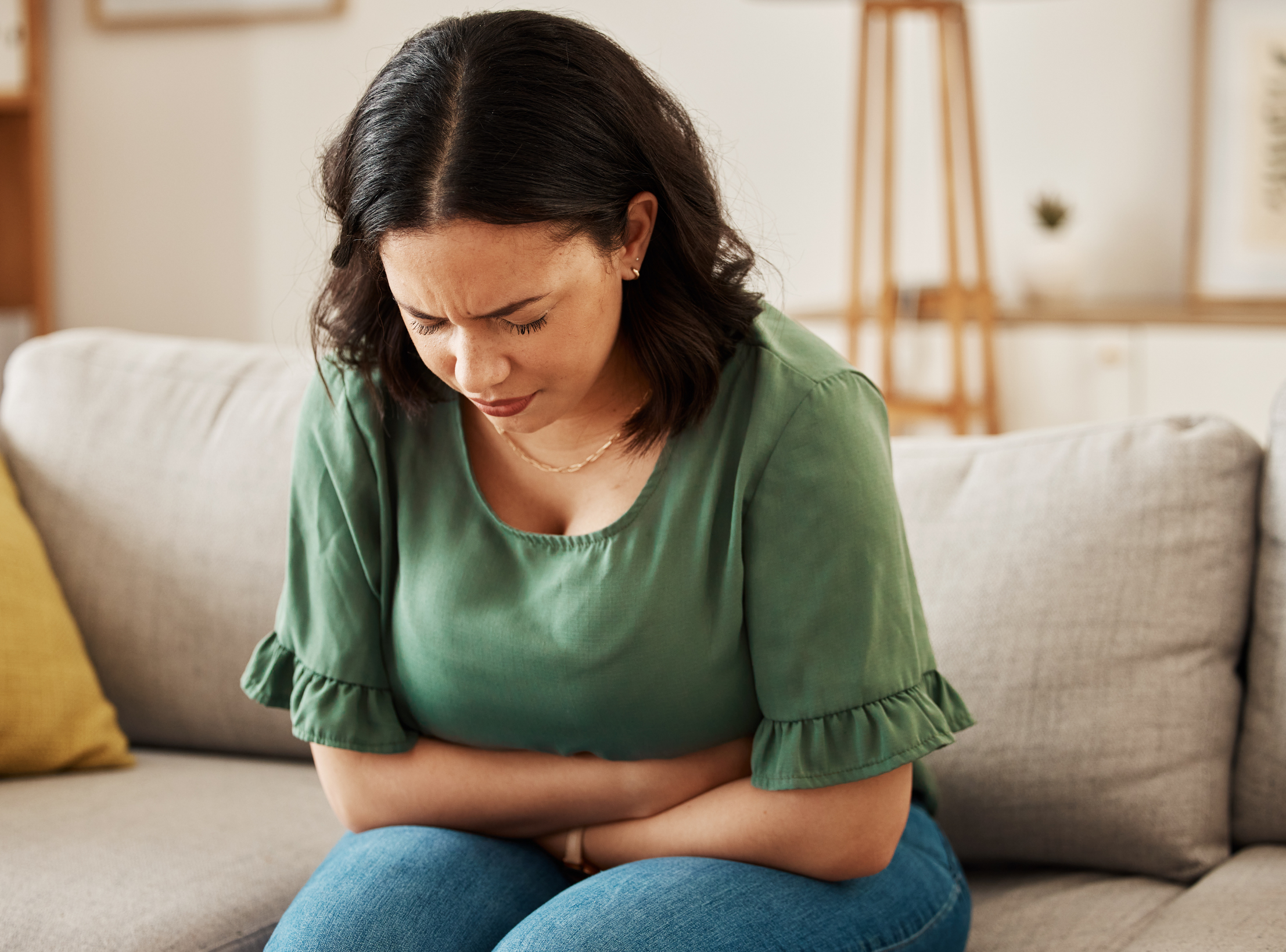
Symptoms of Estrogen Dominance

Written with Ann Arbor Holistic Health Practitioner, Maral Salerno, FDN-P
Maral’s journey with gut issues after pregnancy led her to explore a more holistic path that she now uses to support others. She is a Functional Diagnostic Nutrition Practitioner with 20 years of experience, a Certified Anusara Yoga Teacher, and a Thai Massage Therapist. Maral also holds a B.S. in Political Science from the University of California San Diego.
Discover what estrogen dominance is, its symptoms, causes, and holistic ways to restore hormone balance and energy.
What Is Estrogen Dominance?
Estrogen dominance is a condition in which estrogen and progesterone levels are out of balance. When the ratio of estrogen is higher than it should be, it can lead to numerous uncomfortable symptoms, including sore throat before ovulation, a puffy face, heavy or painful periods, fatigue, weight gain, fertility issues, and mood swings or depression.
“Estrogen dominance is when you have more estrogen than you have progesterone. We like to see hormones balanced. We want to see the same amount of estrogen as we have progesterone, relatively speaking,” explains Maral Salerno, FDN-P, an Ann Arbor Holistic Health practitioner.
It’s important that every woman understand the role estrogen plays in a healthy body and mind, as well as the signs of hormone imbalances.

What Is Estrogen and What Does It Do?
Estrogen is a reproductive hormone responsible for preparing the body for potential pregnancy, as well as maintaining healthy bones and cholesterol levels. It is essential to growth, signaling changes to a female’s body during puberty and helping maintain a normal menstrual cycle.
“For women, estrogen is one of our dominant hormones because it helps us make babies,” says Maral Salerno, FDN-P. “As soon as you’re done bleeding, estrogen is starting to build in the body. It helps you to start to mature an egg.”
Estrogen is the dominant hormone for the first week or so after menstruation (see diagram below), stimulating the build up of tissue and blood in the uterus as the ovarian follicles simultaneously begin their development of the egg. Levels of estrogen peak and then taper off, just as the follicle matures and just before ovulation.
Progesterone is another major reproductive hormone, most present during the latter two weeks of the menstrual cycle. It keeps the inner lining of the uterus ready to receive a fertilized ovum, and later provides the nurturing for the development of the embryo. If the egg is not fertilized, progesterone levels drop dramatically causing the uterus to shed its lining, and a menstruation flow results.
According to Maral Salerno, FDN-P, “Other than reproduction, estrogen is also what allows us to feel like a woman. It gives us a sense of femininity: skin elasticity, curves, breasts, hips. Estrogen is also a happy hormone when in balance.
What Causes Estrogen Dominance?
Estrogen dominance occurs when a woman’s estrogen levels remain elevated when compared to progesterone or other reproductive or endocrine hormones. As a result, the calming effects of progesterone are suppressed, wreaking havoc with fertility, mood, and sleep. Estrogen dominance can also cause a cascade of other difficult symptoms.
“Younger women often come in with extremely painful periods. They may have been diagnosed with PCOS or endometriosis. PMS hits hard, mood swings are really bad, breasts are very tender, backs get achy, constipation sets in. All of that is because of too much estrogen,” explains Maral Salerno, FDN-P.
She adds, “Many of these young women with extremely painful periods have likely been exposed to many toxins. Toxic estrogen is known as xenoestrogen(s). These xenoestrogens come from pesticides, plastics, and self-care products to name a few. If your gut isn't working right, you can't excrete excess estrogen. If your gut isn’t working right, you can’t excrete excess estrogen. The gut literally poops out extra estrogen, and the liver filters it.”
Symptoms of Estrogen Dominance
Estrogen dominance is typically associated with progesterone deficiency, and it may be influenced by a number of other hormonal, environmental, and genetic factors. As a result, symptoms are wide-ranging and can affect every aspect of health, including metabolism, libido, and healthy function of the endocrine, immune, and neurological systems.
Estrogen dominance symptoms include:
Anxiety, mood swings, and/or depression, including postnatal depression
Decreased sex drive
Dry eyes and/or skin
Fat gain, especially around the abdomen, hips, and thighs
Fatigue or low energy
Fertility issues, including endometriosis, PCOS, and/or uterine fibroids
Headaches
Insomnia or other sleep problems
Painful, irregular, and/or heavy periods, often pronounced PMS and beginning at a young age
Poor muscle tone
Puffy face and bloating
Sore throat, specifically before ovulation
As the list above demonstrates, these signs of estrogen dominance are life-altering, and its reach goes far beyond problems with periods or pregnancy. Additional symptoms may include:
Acceleration of the aging process, including wrinkles and stretch marks
Adrenal exhaustion
Allergy symptoms (asthma, hives, rashes, sinus congestion)
Autoimmune disorders (fibromyalgia, lupus erythematosus, Hashimoto’s thyroiditis, Sjögren’s disease)
Brain fog and memory loss
Breast tenderness or fibrocystic breasts
Cancer of breasts or uterus (or prostate in men)
Cervical dysplasia
Gallbladder disease
Hair loss
Hypoglycemia
Increased blood clotting and risk of strokes
Nutrient deficiencies, including magnesium and zinc
Premenopausal bone loss and osteoporosis
Thyroid dysfunction
“Even in perimenopause or menopause, the same imbalance can linger. Even with low hormones overall, if estrogen is higher than progesterone, symptoms of estrogen dominance can appear,” says Maral Salerno, FDN-P.
Estrogen dominance often goes unrecognized for years, even decades. Prolonged stress can multiply its effects, and suffering the symptoms of estrogen dominance is certainly stressful! If the lists above have you nodding your head, read on…
How to Fix Estrogen Dominance
A pivotal aspect is maintaining a balanced diet rich in organic proteins, healthy fats, vegetables and fruits, as well as steering clear of processed foods. This step is incredibly beneficial for hormone balance. Incorporating regular physical activity, even moderate exercises like walking or dancing, also proves beneficial. Some individuals explore natural remedies such as herbal supplements, like DIM for estrogen dominance, but it’s crucial to consult a healthcare professional before pursuing these options. Additionally, stress management techniques like mindfulness, yoga, or indulging in hobbies can significantly contribute in beneficial ways to hormone regulation and overall well-being.
“When hormones crash, women feel horrible because their whole hormonal life cycle has typically been unbalanced from the start,” explains Maral Salerno, FDN-P. “That’s why bioidentical hormones can be so powerful for women as they hit perimenopause.”
Estrogen Dominance Tests
There are many factors that can contribute to estrogen dominance, including genetics, nutrient deficiencies, imbalances in cortisol or insulin, poor liver function, the use of oral contraceptives, and exposure to toxins or environmental chemicals which mimic estrogen.
“Doctors often put women on birth control to ‘stop’ their period, but this traps the body in an estrogen dominant state that does not support ovulation and a natural healthy cycle. Birth control for painful periods is just a band-aid that can have long term side effects and can often make things worse,” says Maral Salerno, FDN-P.
When investigating suspected estrogen dominance, it’s important to look for the root causes.
According to Maral Salerno, FDN-P, “If the gut and liver are sluggish, estrogen builds up. That estrogen overload is typically what lands girls in severe pain and discomfort. Many turn to pain relievers during periods, which only adds to the toxic load that the liver has to try and detoxify.”
What To Do if You Suspect Estrogen Dominance
There are many factors that can contribute to estrogen dominance, including genetics, nutrient deficiencies, imbalances in cortisol or insulin, poor liver function, the use of oral contraceptives, and exposure to toxins or environmental chemicals which mimic estrogen.
“The brain is the master signaler,” explains Maral Salerno, FDN-P. “When it’s jammed from toxins, stressors, birth control, or excess estrogen, ovulation doesn’t happen correctly, and imbalances in the fertility cycle follows.”
When investigating suspected estrogen dominance, it’s important to look for the root causes. Your holistic health practitioner should conduct a thorough review of every aspect of your lifestyle, as well as guide you in your selection of supportive lab testing. The DUTCH (Dried Urine Test For Comprehensive Hormones) offers comprehensive insight into stress and reproductive hormone levels, and it is often the first step in identifying potential estrogen dominance, as well as other chronic health issues.
The results of your consultation and DUTCH can help your practitioner develop a customized protocol to address any estrogen dominance or progesterone deficiency. Your plan may include dietary or lifestyle changes and supplementation designed to restore optimal hormone levels and improve your energy, fertility, and mood.
If you think you are experiencing estrogen dominance, please call us at 734-821-2767 or schedule a free consultation now.
Additional Hormone Imbalance Support
Hormone imbalances are not limited to estrogen dominance, and it can be challenging to find a comprehensive list of symptoms. For your convenience, the Natural Progesterone Advisory Network has collated, through documented observation, a cluster of hormone imbalance symptoms not easily found in mainstream publications.
These symptoms are in addition to those already cited above for estrogen dominance, and they may reflect an imbalance in reproductive hormones (estrogen, progesterone, testosterone) or endocrine hormones, such as thyroid, cortisol, insulin, or vitamin D. They include the following:
Aching or tender joints, especially heels and/or feet, from sensitive to burning
Aching teeth, with dental checkup inconclusive
Acne or pimples, particularly just prior to menses, also in older women
Alienation and loss of confidence
Bouts of diarrhea prior to the menses, sometimes alternating with constipation, especially with women who have cysts and endometriosis
Chronic recurrence of candida, thrush, cystitis, vaginitis
Cyclical throat problems – throats that don’t clear, consistent sore throats every month, tonsillitis
Extreme dream agitation and anxiety
Facial hair, increased body hair, increased thickening and blackening of limb hair
Feeling fragmented physically, emotionally, and spiritually
Heartburn or acid reflux symptoms
Heart palpitations
Inability to focus or concentrate
Inability to lose weight and/or shift fluid
Inflamed bowel, including colitis, irritable bowel syndrome, leaky gut syndrome
Itchy, burning, and/or sore ears
Lack of lateral thinking and ability to multitask
Loss of control over bladder (stress incontinence), inability to empty bladder, feeling tender and sensitive in the absence of bladder infection, fluctuation/variation of bladder paralysis
Loss of short-term memory
Low resistance to infection
Obsessive, irrational thought and behavior patterns
Painful ovaries, either upon ovulation or in the absence of ovulation
Painful, throbbing face, often reported in one side more than the other
Panic attacks
Pins and needles, sciatica, or hip pain down one side predominantly, despite normal bone mineral densities and hip x-rays
Premature wrinkling
Premenstrual asthma
Restless legs, particularly at night time or in bed
Sinusitis, head congestion, flu-like headaches
Sluggish liver function
Social phobia, sense of loss of social skills, withdrawal
Tinnitus or sensation of a foreign object in ear such as bees or insects
Vertigo, particularly around ovulation time onwards (more profound when lying down in bed)
Vocabulary or speech difficulty, feeling tongue tied or experiencing a verbal stammer
Hormonal imbalances may take many years to accumulate and can be insidious in their physical presentation. Just remember, it took time to arrive at this point in your life, and it may take time to improve, reverse, and eliminate many of these problems. The team at Ann Arbor Holistic Health is here to help!
References:
1) Role of Estrogens in Menstrual Migraine: https://www.ncbi.nlm.nih.gov/pmc/articles/PMC9025552/
2) Estrogens, Neuroinflammation, and Neurodegeneration: https://www.ncbi.nlm.nih.gov/pmc/articles/PMC4971309/
3) The Effects of Estrogens on Neural Circuits That Control Temperature: https://www.ncbi.nlm.nih.gov/pmc/articles/PMC8237993/
4) Estrogen Receptors and Human Disease: https://www.ncbi.nlm.nih.gov/pmc/articles/PMC2373424/
5) Estrogen Receptors: How Do They Signal and What Are Their Targets: https://journals.physiology.org/doi/full/10.1152/physrev.00026.2006
6) Estrogen Receptors: https://www.sciencedirect.com/topics/medicine-and-dentistry/estrogen-receptor
7) Role of Estrogen Receptors in Health and Disease: https://www.frontiersin.org/articles/10.3389/fendo.2022.839005/full
